

The InstrumenTower _ Taichung Taiwan

Project Panoramic Tower and City History Museum
Floor area 6,500 m²
Location Taichung – Taiwan
Date 2011
Client International Competition 2011
Team Eric Cassar, Laura Corcos, Juvenal Rubinos, Lucie Rieutord, Mathilde Wilhem, Yang Wu
Consultant ARUP
General principles
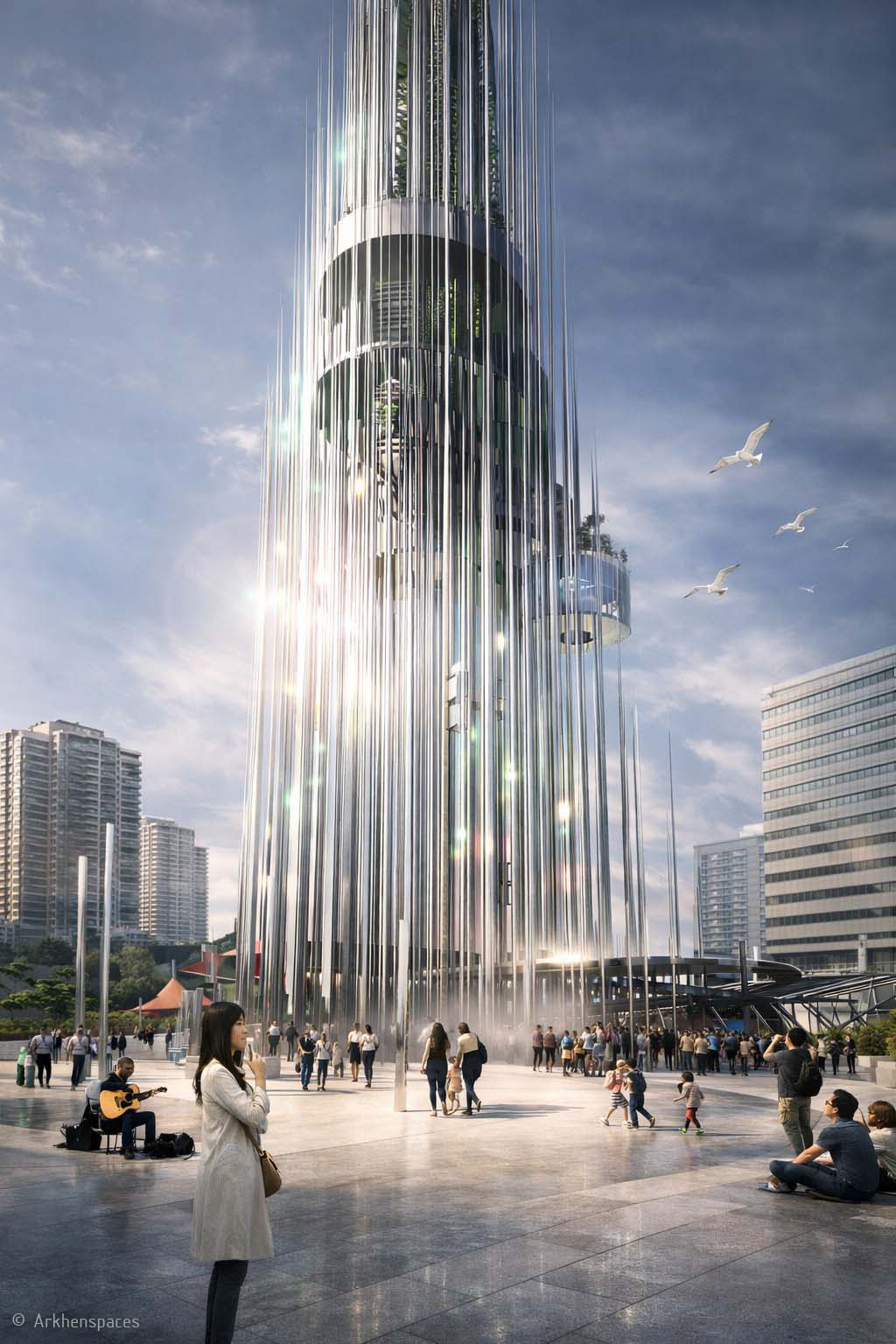
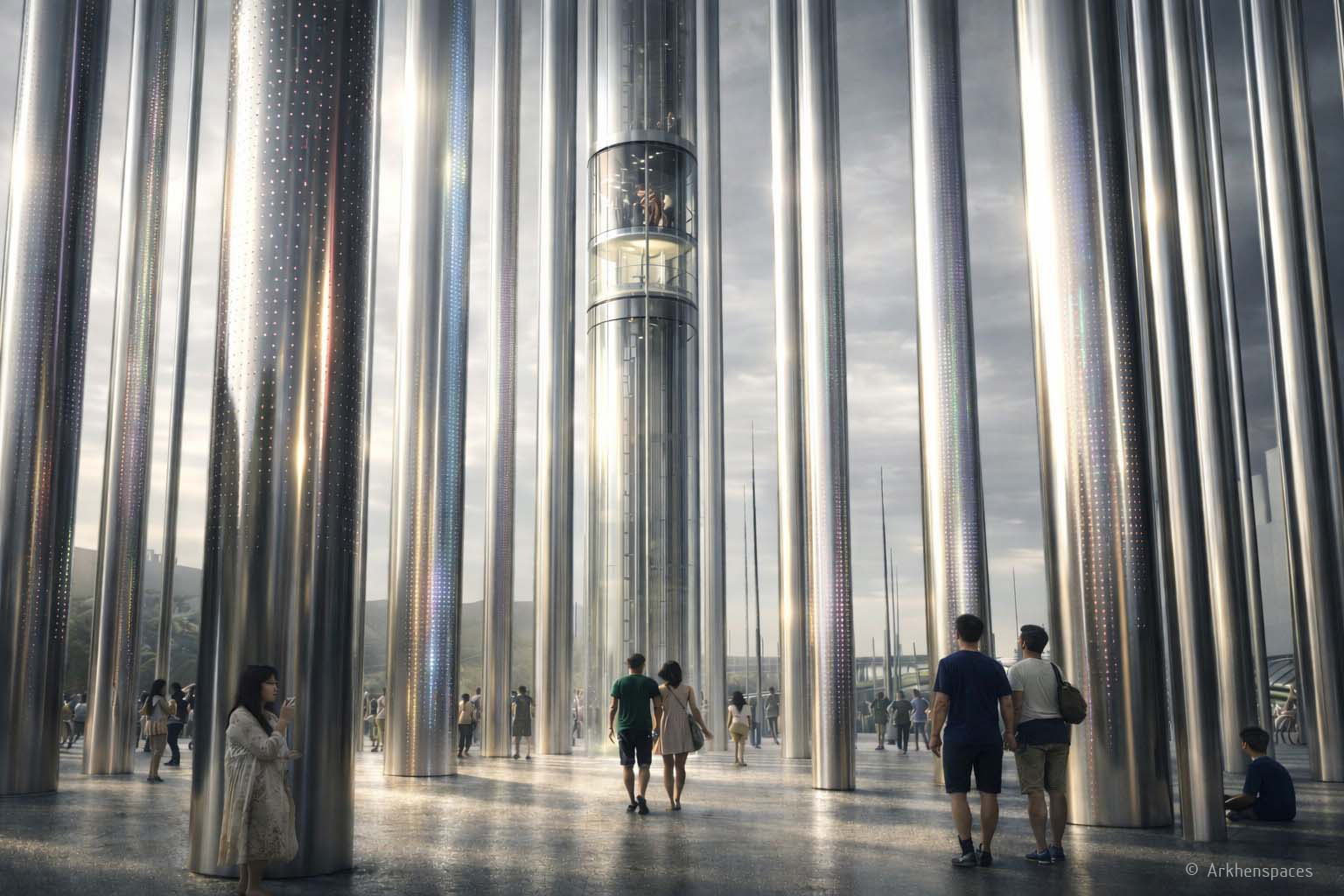
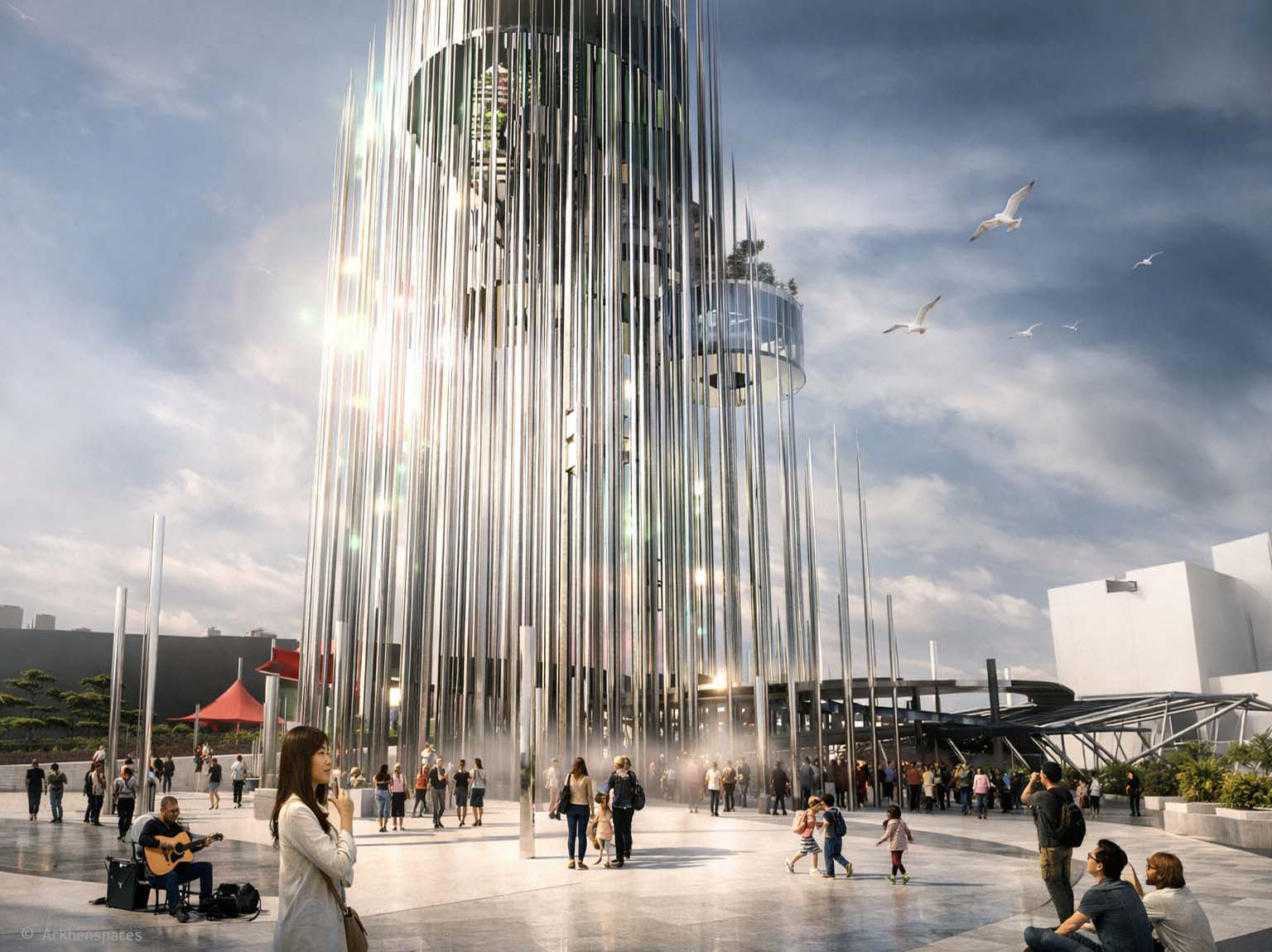
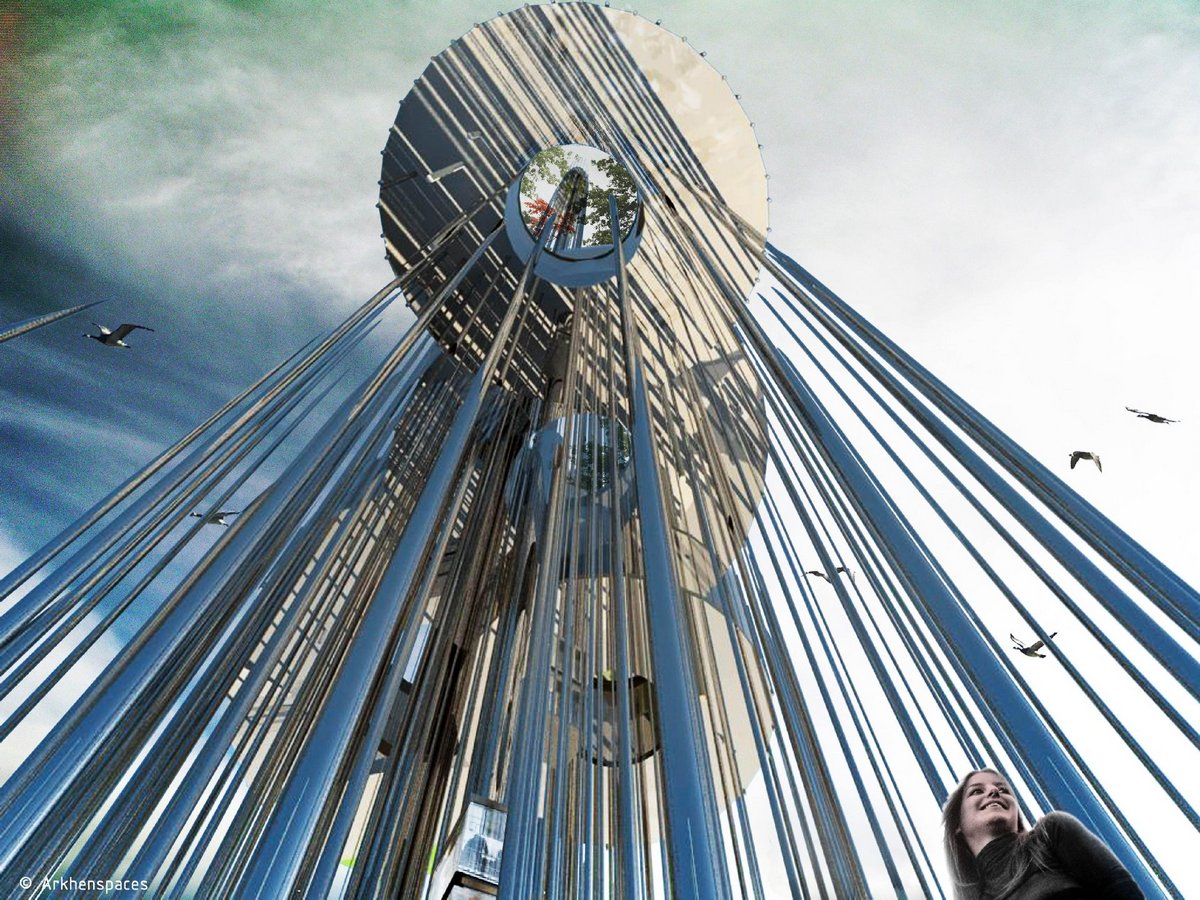
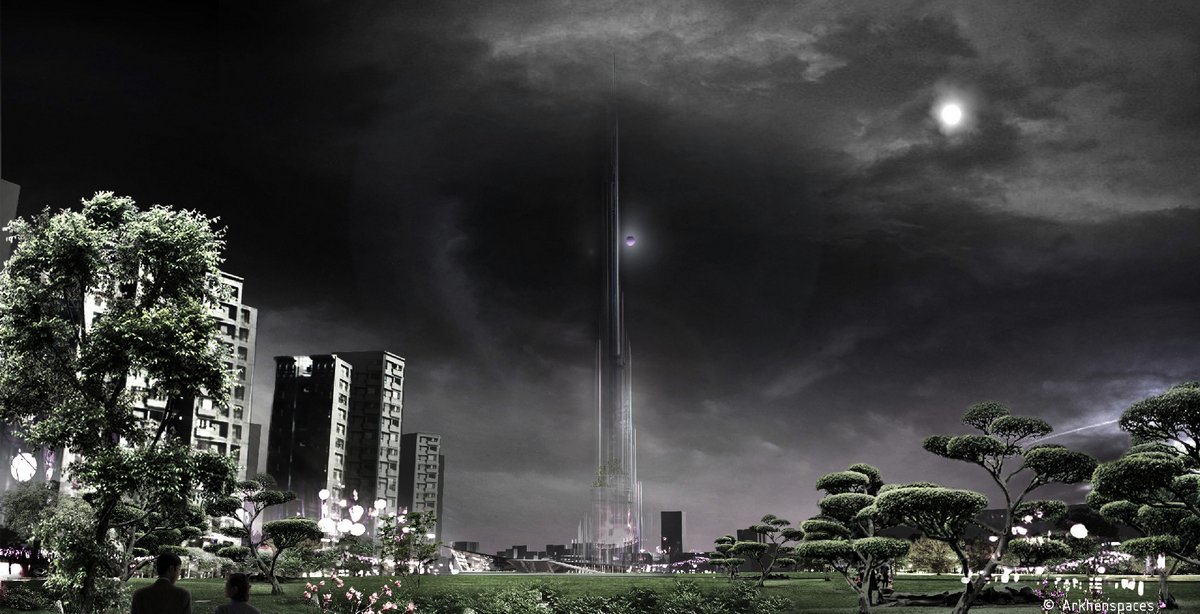
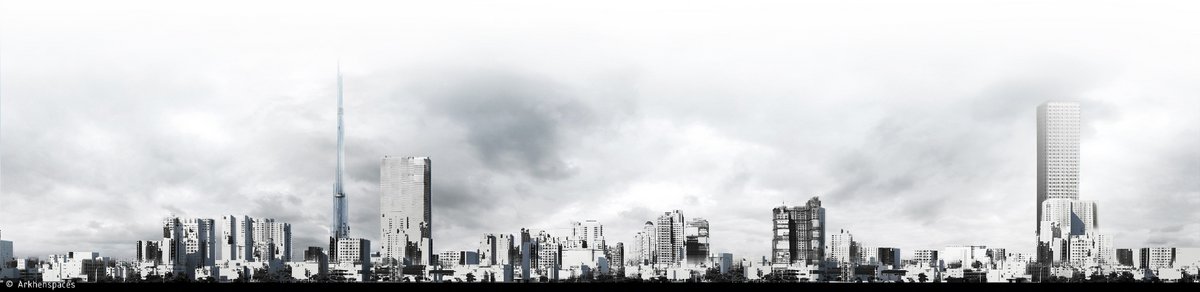
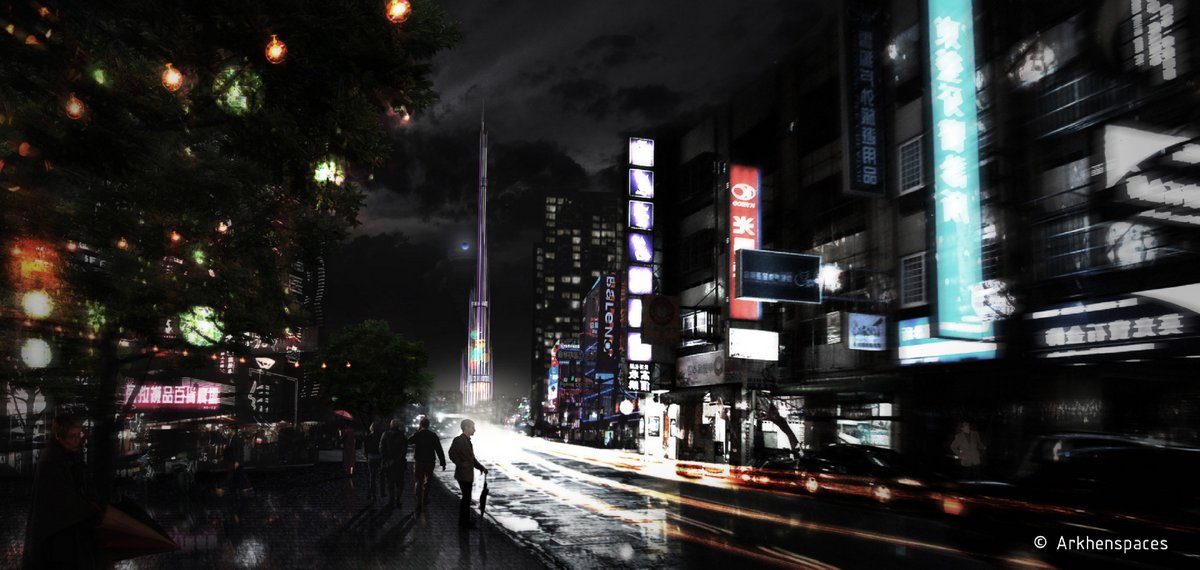
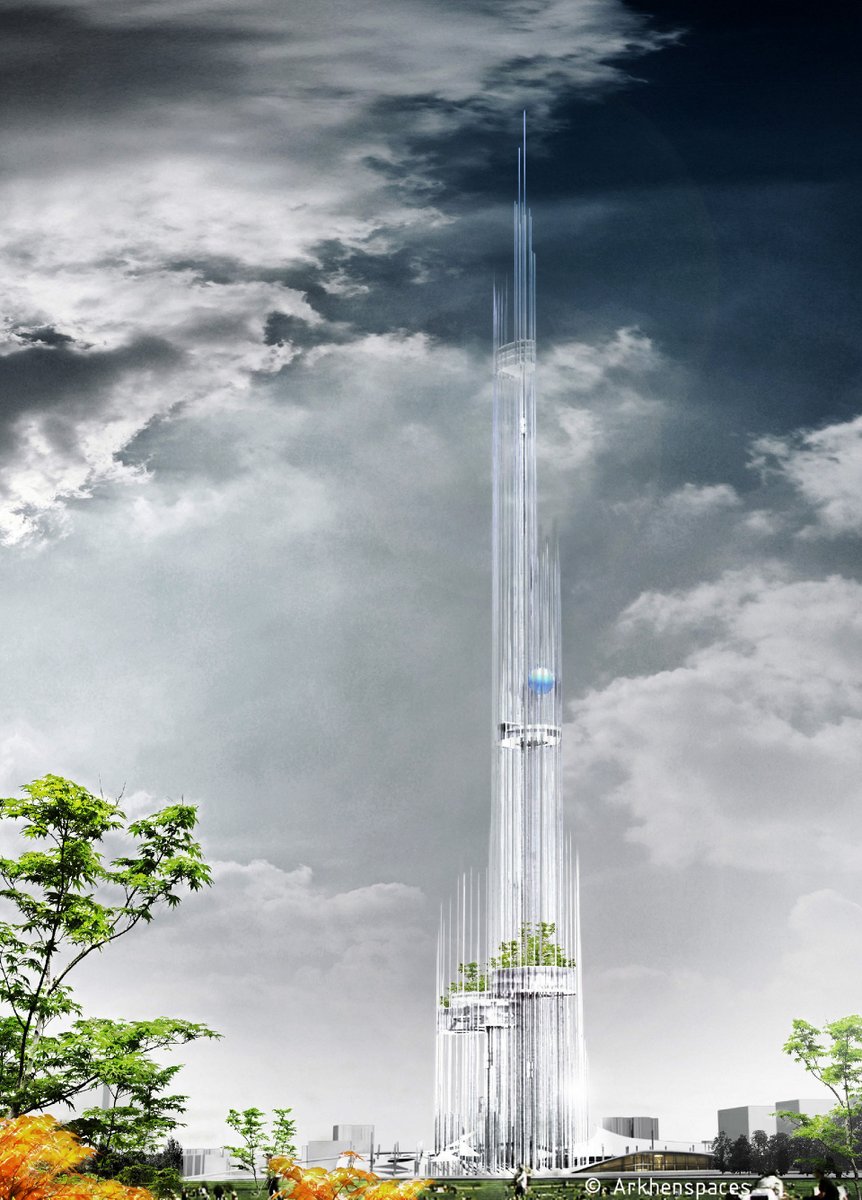
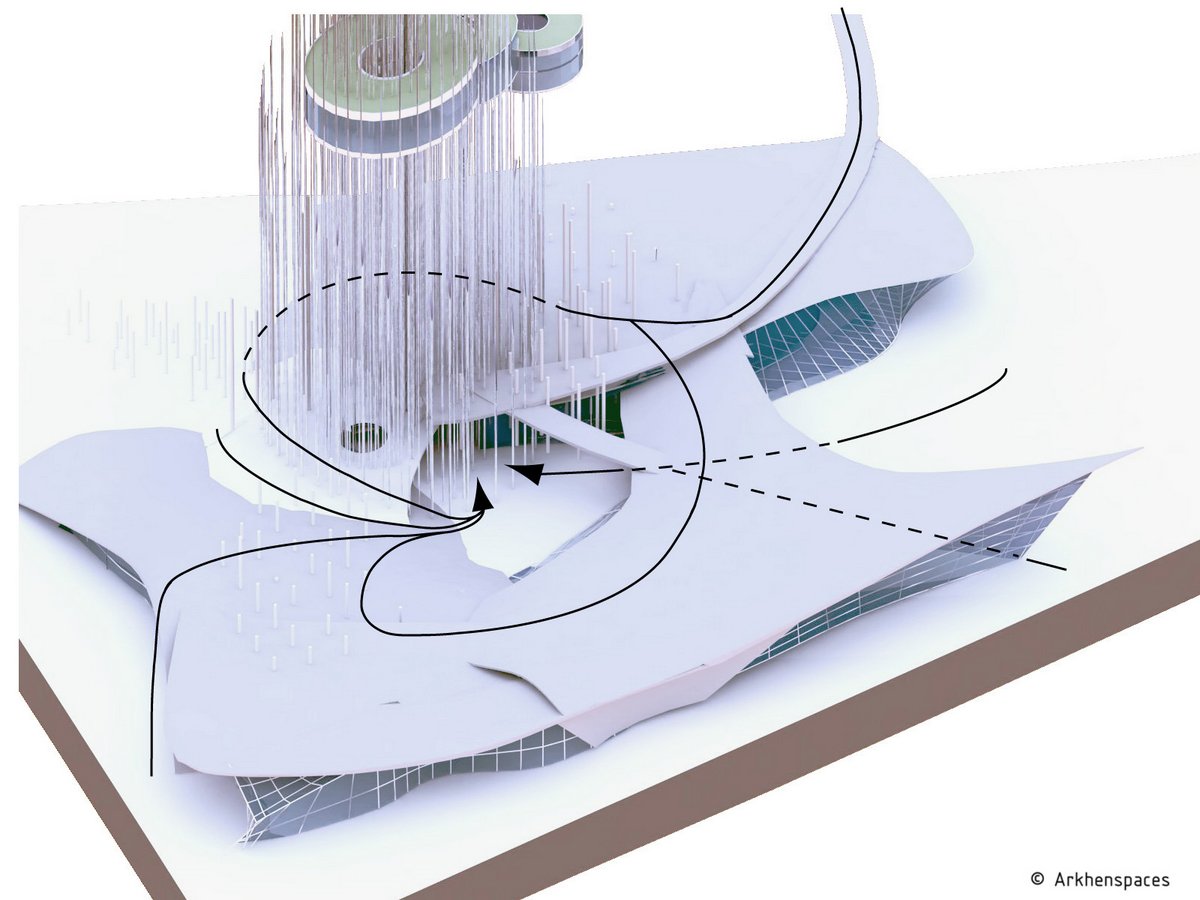
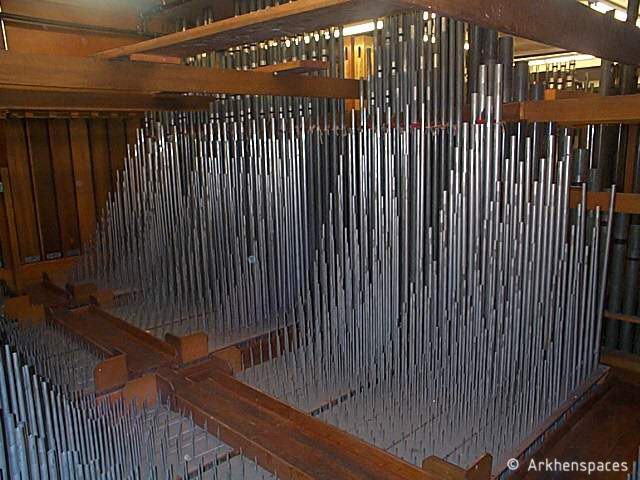
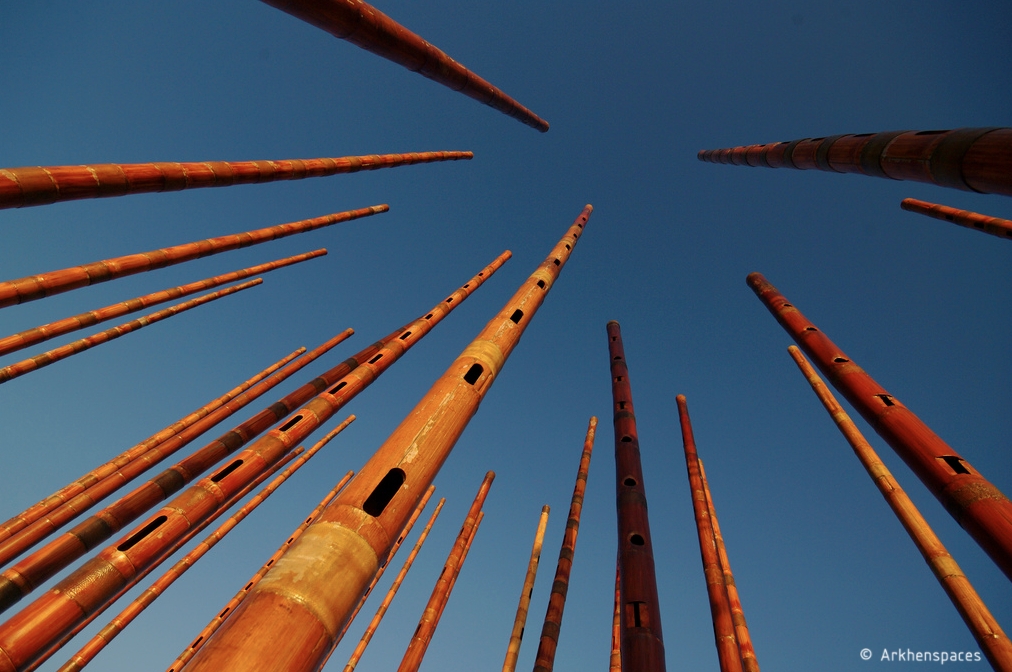
The Instrumentower, also known as The Taiwan Reeds, is not a tower but an instrument of visual and sonic environments at the scale of the city. It is conceived as a monumental urban organ composed of a forest of metallic columns, some of which become pipes capable of producing sounds, reflecting light and transforming the perception of the landscape.
More than an architectural object, the project seeks to generate evolving environments where light, sounds, climate and movement participate in a constantly renewed sensory experience.
A visual and sonic instrument within the city
Some metallic columns can be set into vibration and amplified at their base, transforming the structure into a true musical instrument capable of diffusing sound throughout public space.
Activated by musicians, artists or interactive systems, the Instrumentower sings within the city several times a day and can become part of concerts or urban events.
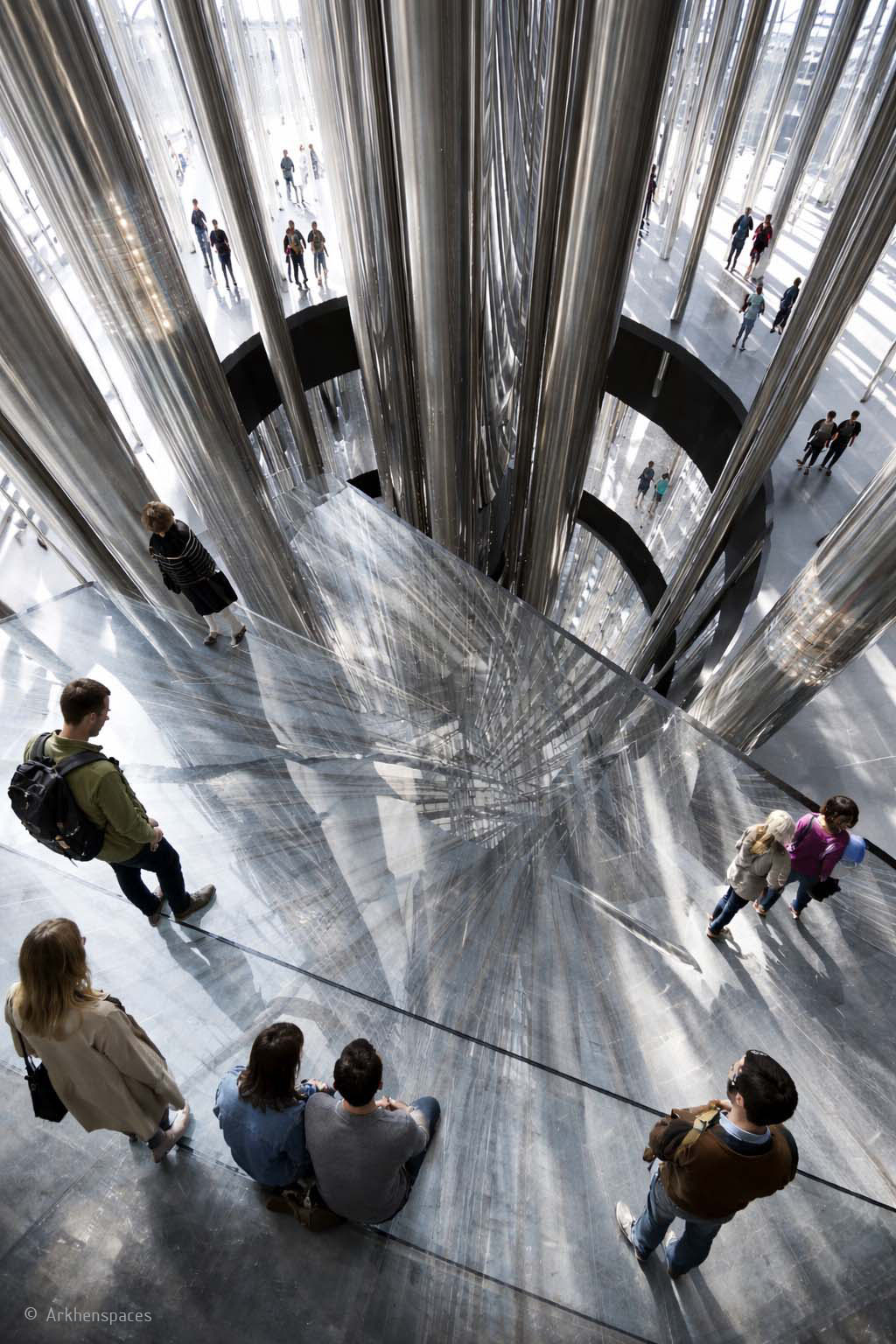
The columns perform several functions: some contribute to the structure, others become sound pipes, while some simultaneously fulfill both roles.
An architecture in dialogue with natural phenomena
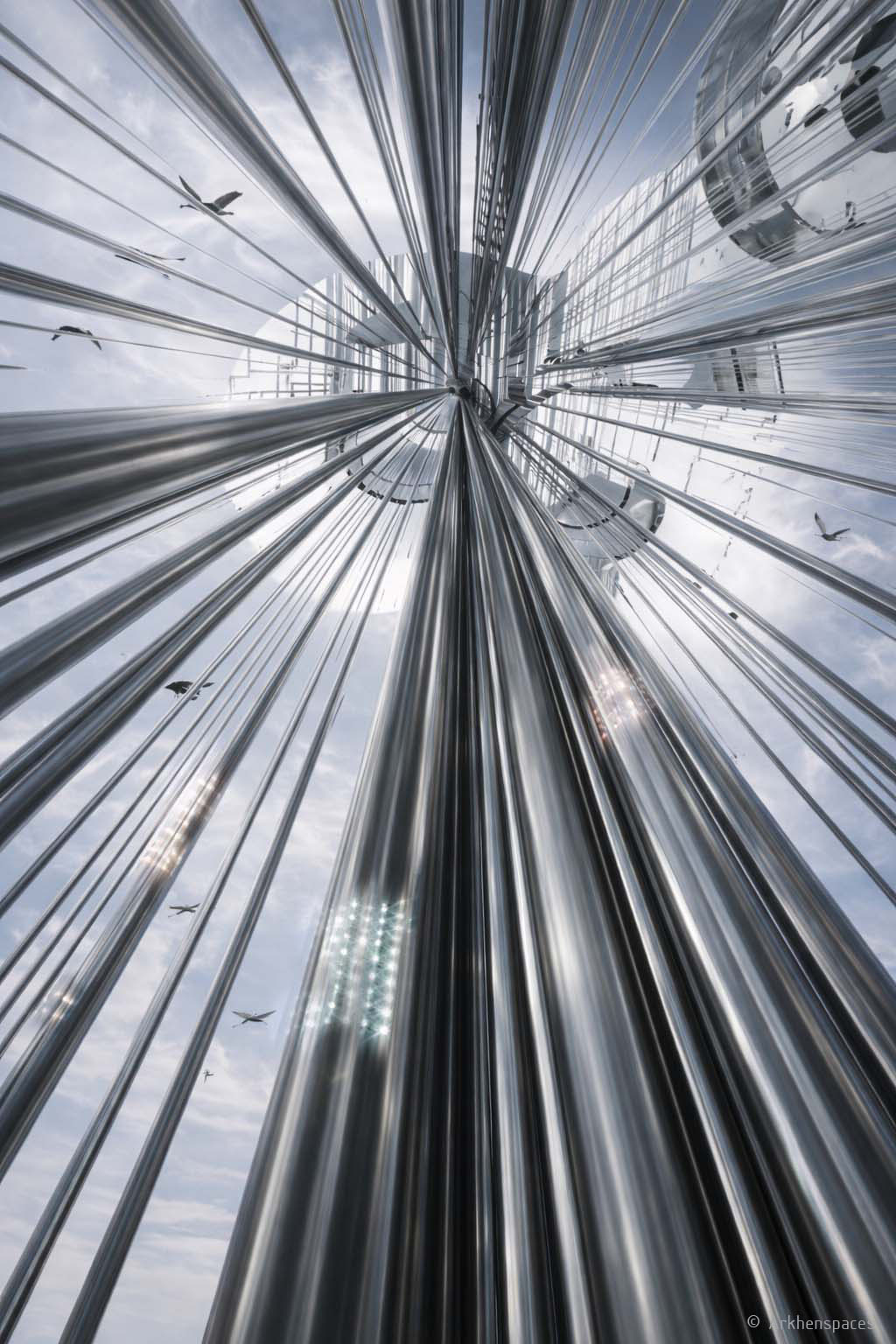
This musical dimension extends toward the other senses and interacts with the very form of the project. Boundaries between interior and exterior, music and vibration, reflection and image, physical and digital phenomena become blurred. The forest of polished and unpolished metallic columns rises toward the sky until its limits disappear. It incorporates a LED lighting system capable of generating an infinite range of interactive light effects both during the day and at night.
According to light conditions, climate, weather or the visitor’s position, the Instrumentower changes appearance: it appears, disappears, changes color or seems to dissolve into the landscape.
Light reliefs moving across the columns, vibrations produced by the pipes, wind and climatic variations all participate in its continuous transformation.
An inhabited landscape
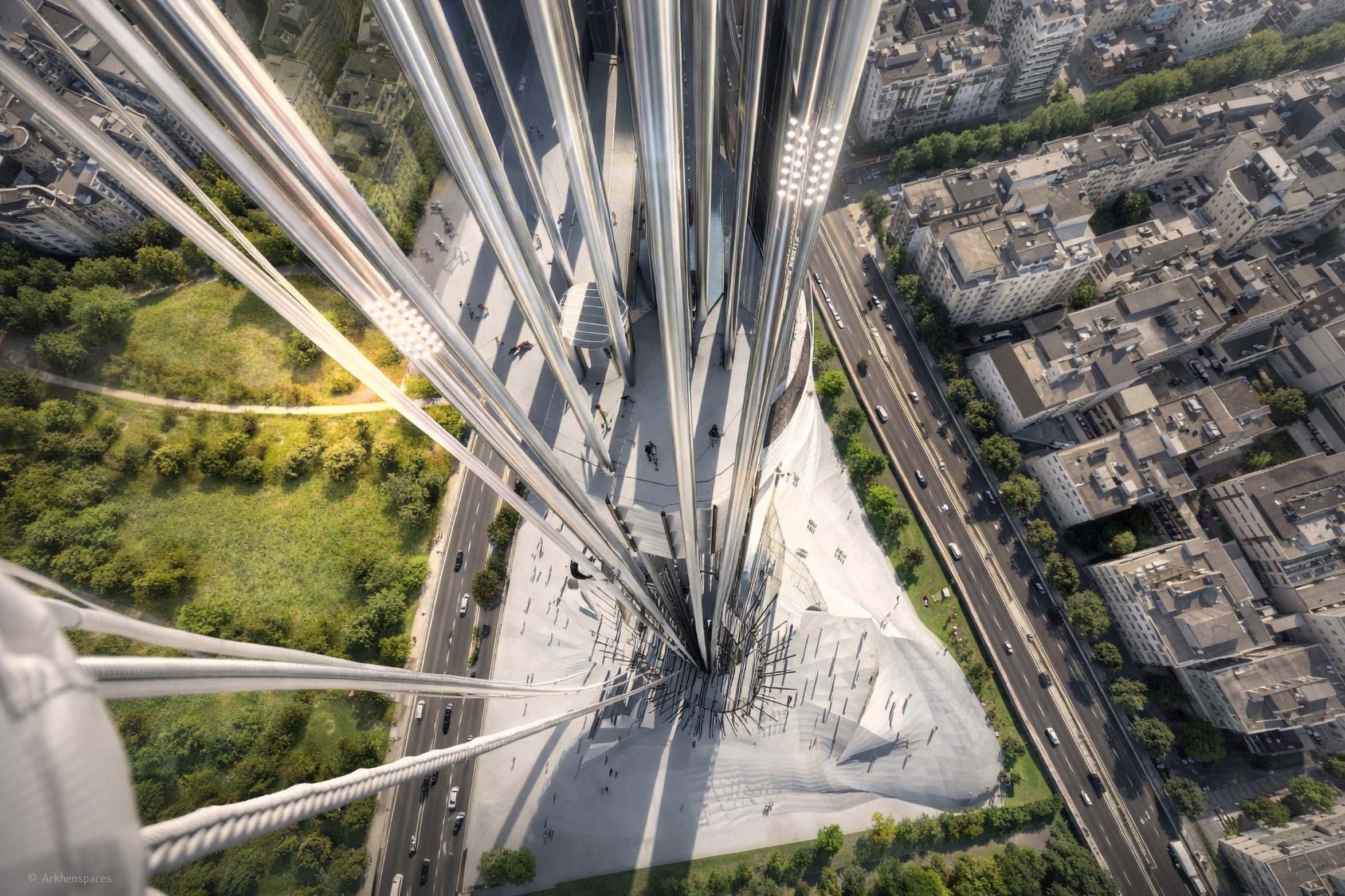
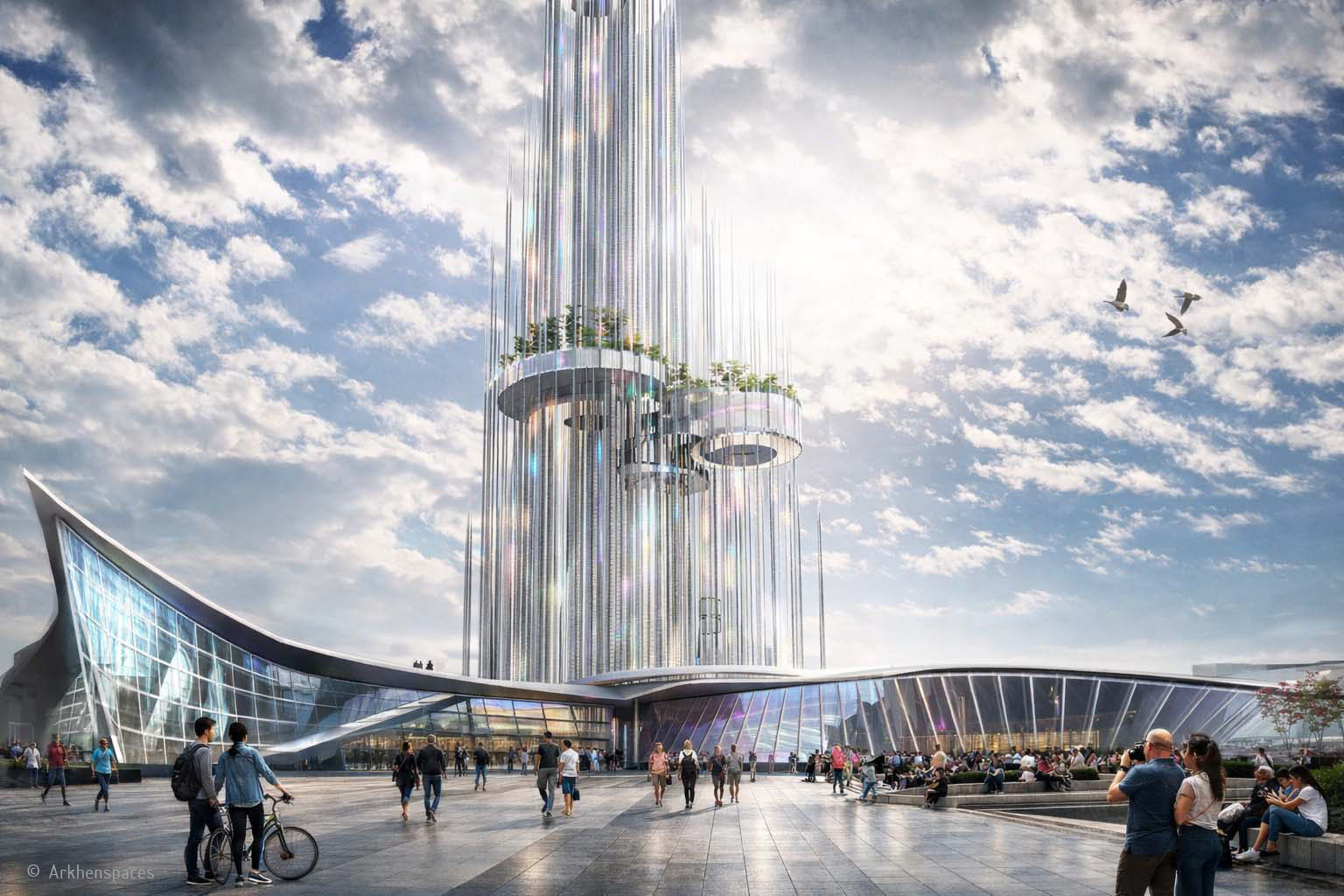
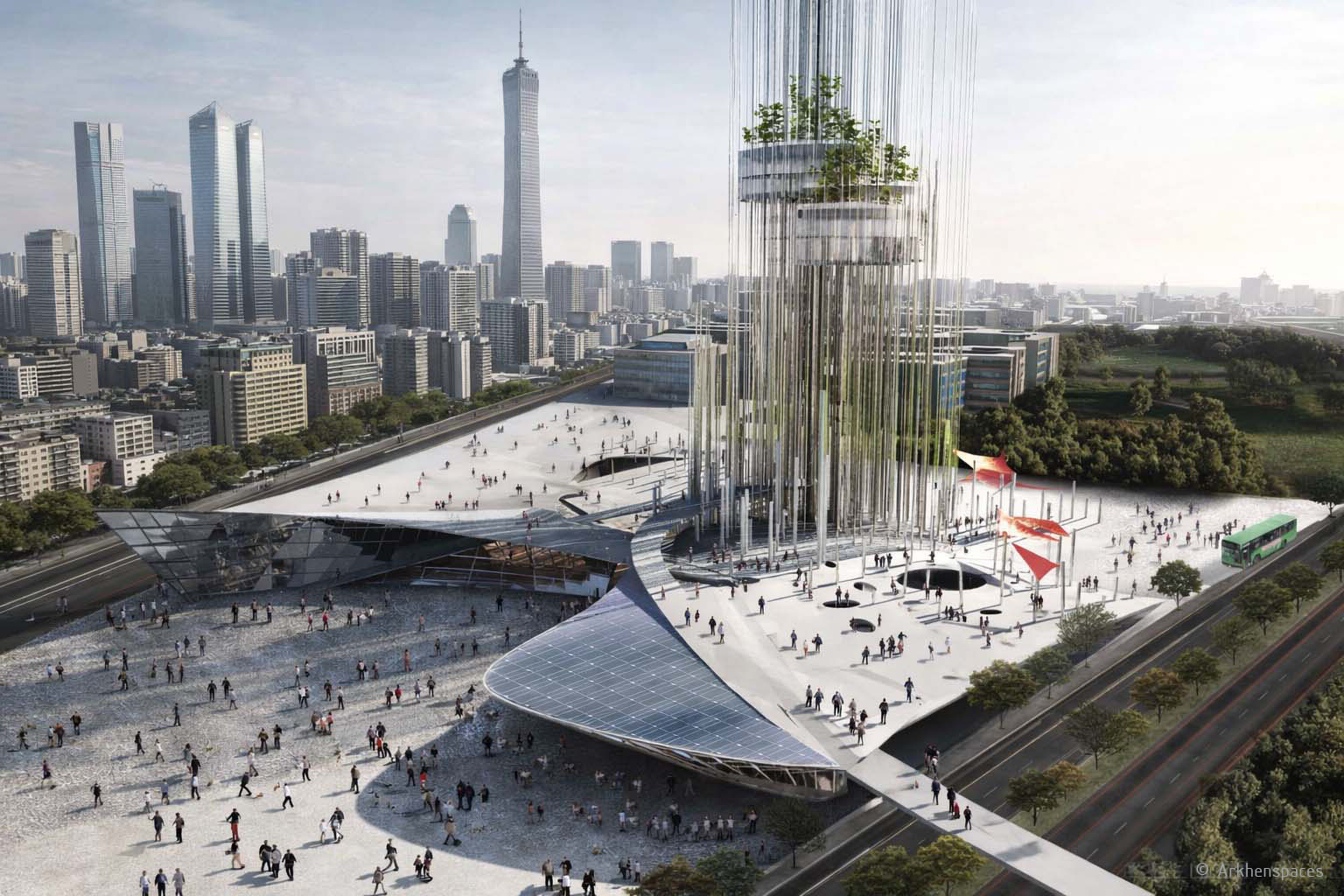
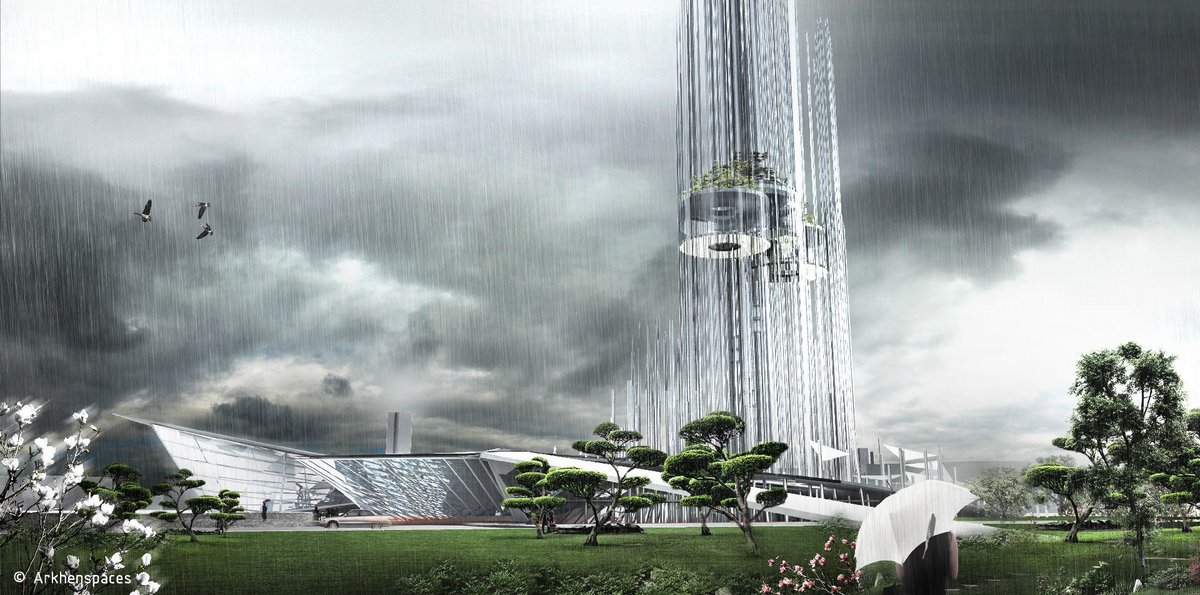
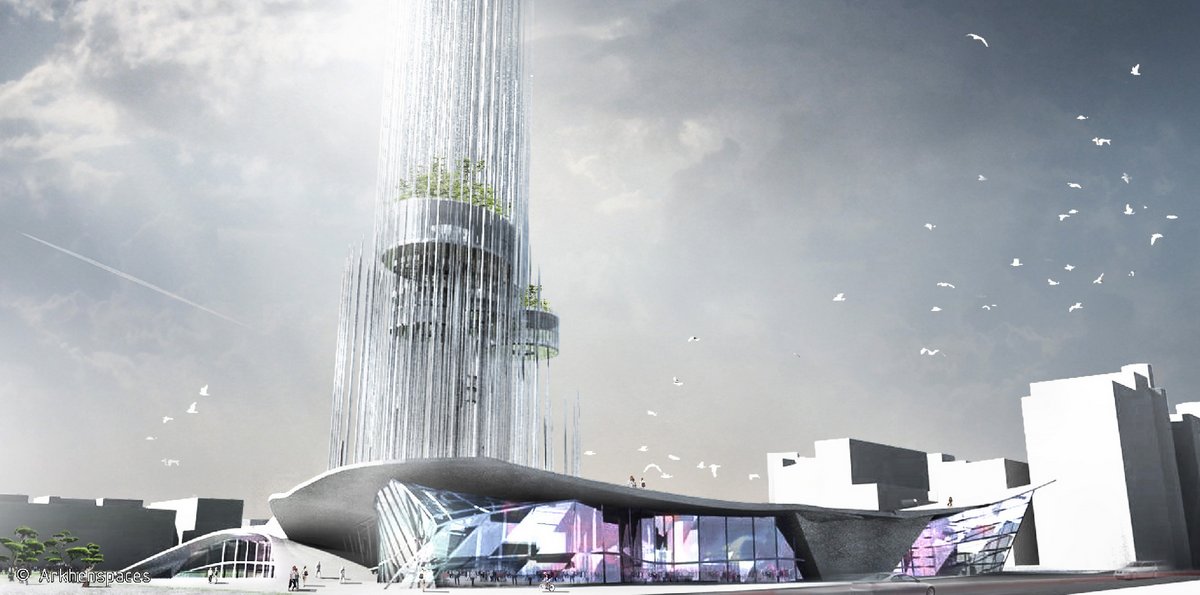
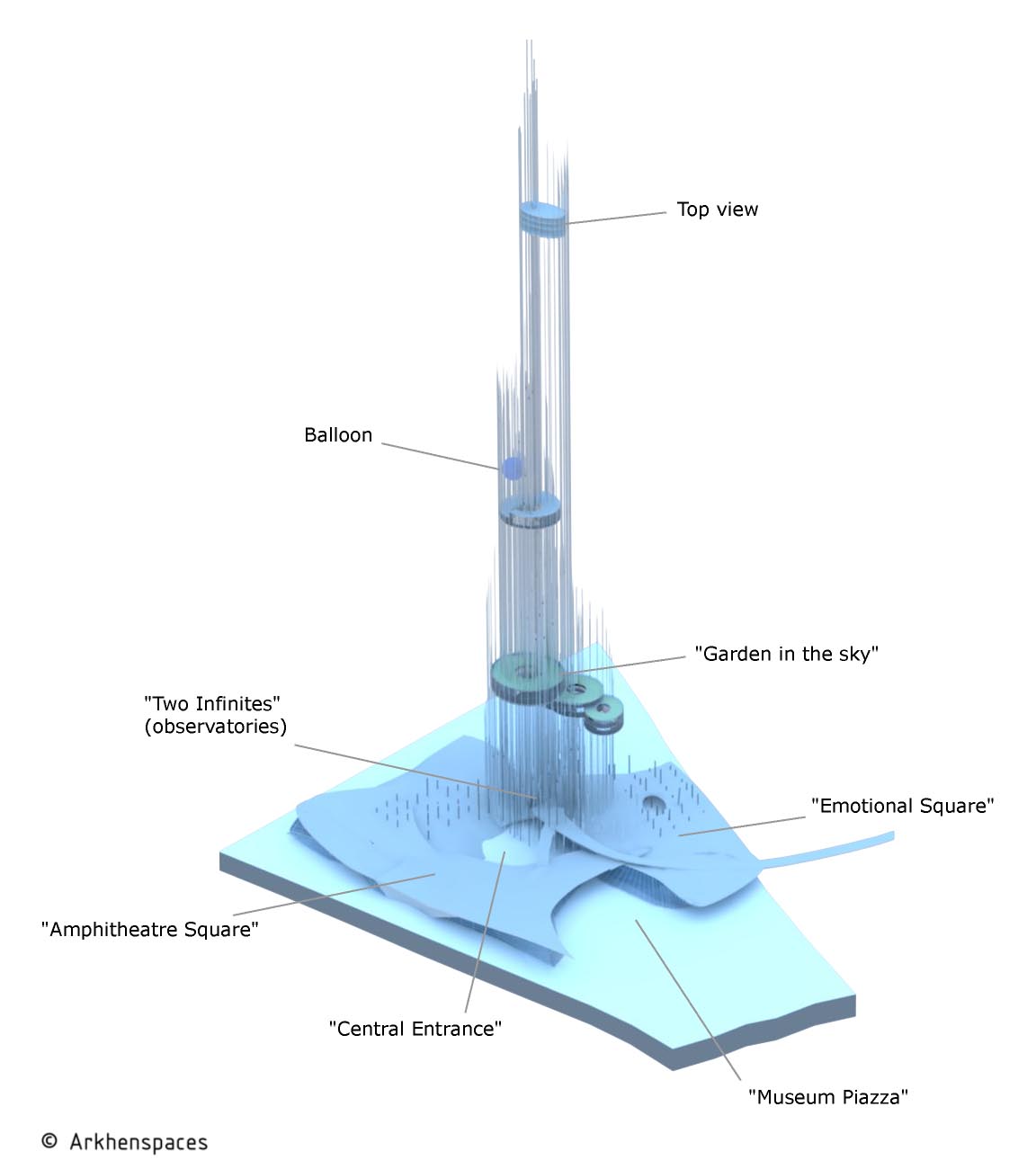
At its base, an oblique and continuous ground generates a sequence of spaces and sensitive experiences. This inhabited topography forms the roof of a museum dedicated to the history of the city.
It extends public space and creates several inclined plazas where visitors can sit, lie down or simply observe the instrument.
A vertical experience
The program unfolds through several levels: a suspended garden, an observatory and a platform supporting a mobile panoramic balloon connected to the second level.
The project therefore transforms the discovery of the city and architecture into a sensitive experience where perception, movement and environment become materials for design.
Architecture is an instrument of environments.