

64 Lafayette – Haussmannian Rehabilitation _ Paris France

Project Rehabilitation of a Haussmannian building
Location Rue Lafayette, Paris, France
Schedule 2008–2010
Client Messika
Surface 1100 m²
Team Éric Cassar, Yacine Touazi, Eva Biguères, Lucie Rieutord in collaboration with architect Marcel Martin
Contractors Mesh (demolition, miscellaneous works), IPI (masonry), LCPM (stonework), RPF (stonework), BYP (timber structure), Aquastyl (air conditioning, plumbing, roofing), SSG 1948 (metalwork and ironwork), Eschlimann (staff work), Caseiro (electricity), MFA (elevator), SEET (joinery), EGB (waterproofing), SDR Bouguet (general contractor), Climétude (mechanical ventilation), Chape IDF
Engineering offices Seurat Ingénierie, Lumière Almon
Building control Qualiconsult
General principles
Complete rehabilitation of a Haussmannian building combining heritage restoration, comfort and high-end finishes.
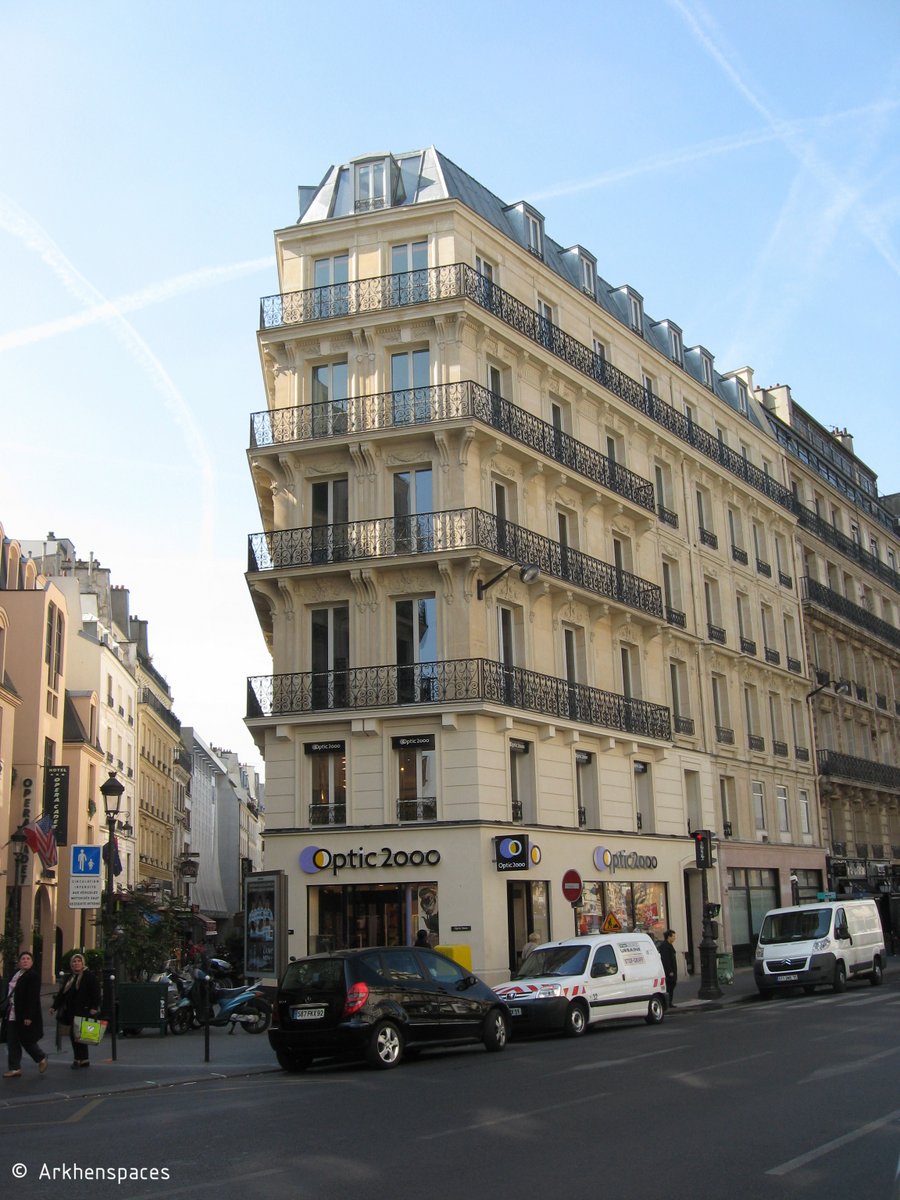
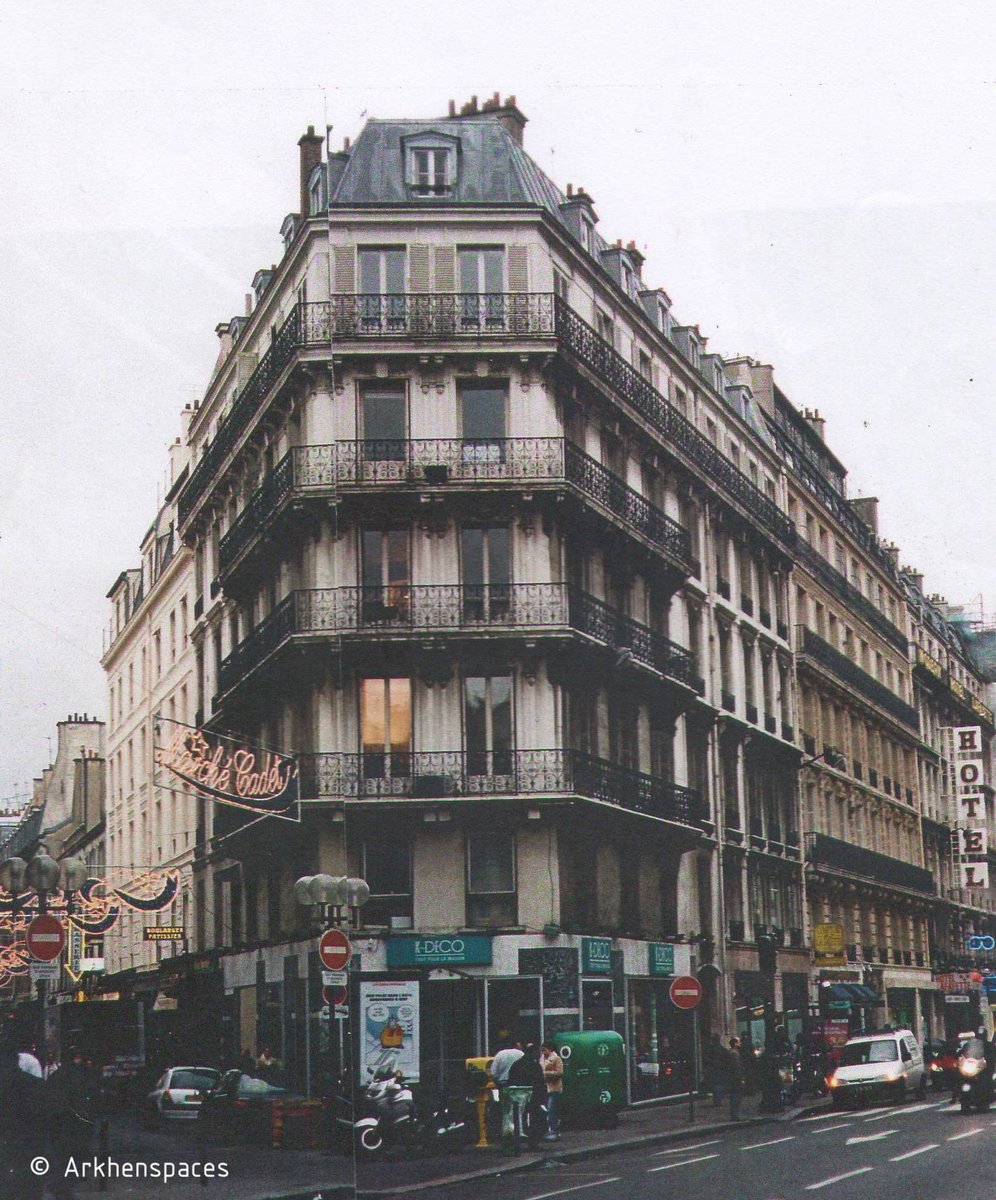
- Complete façade restoration (the stone, previously painted, was uncovered and enhanced).
- Replacement of windows.
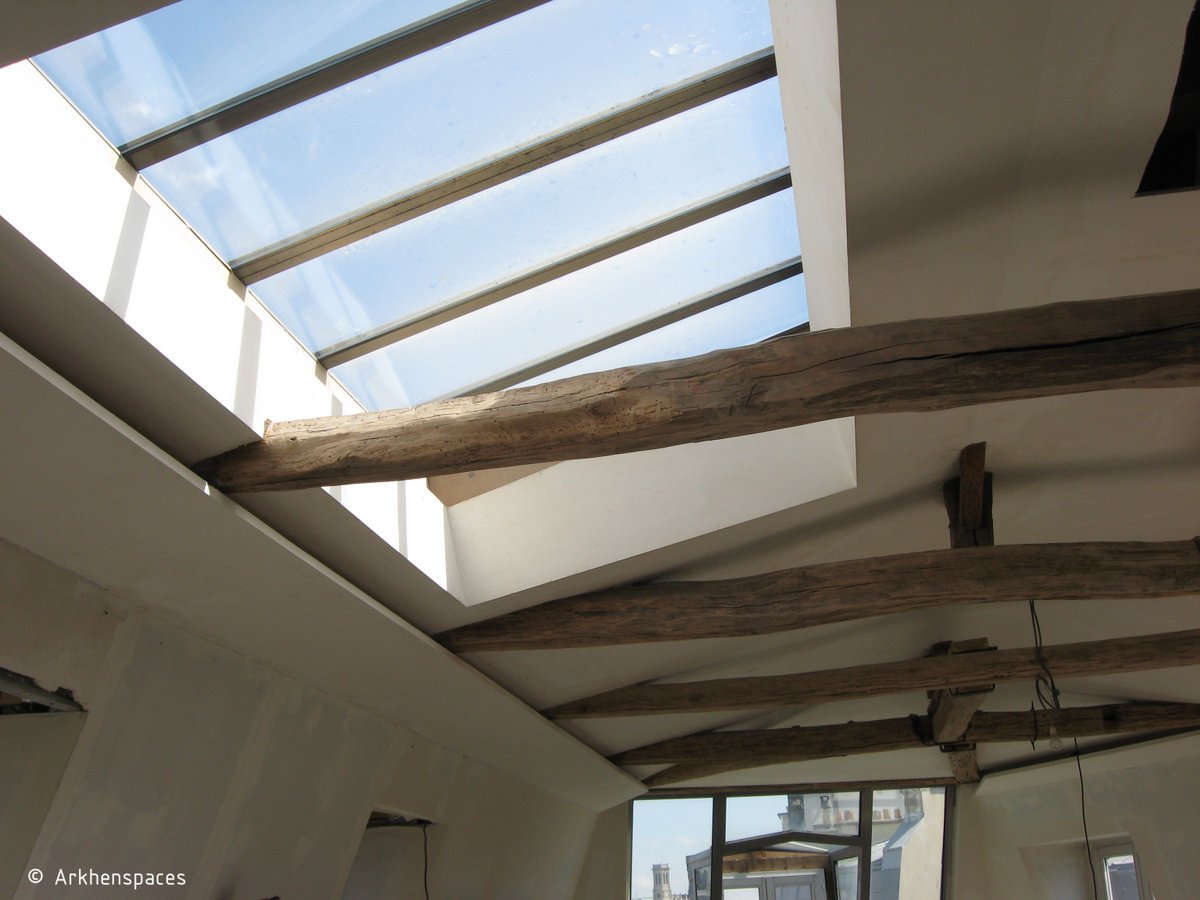
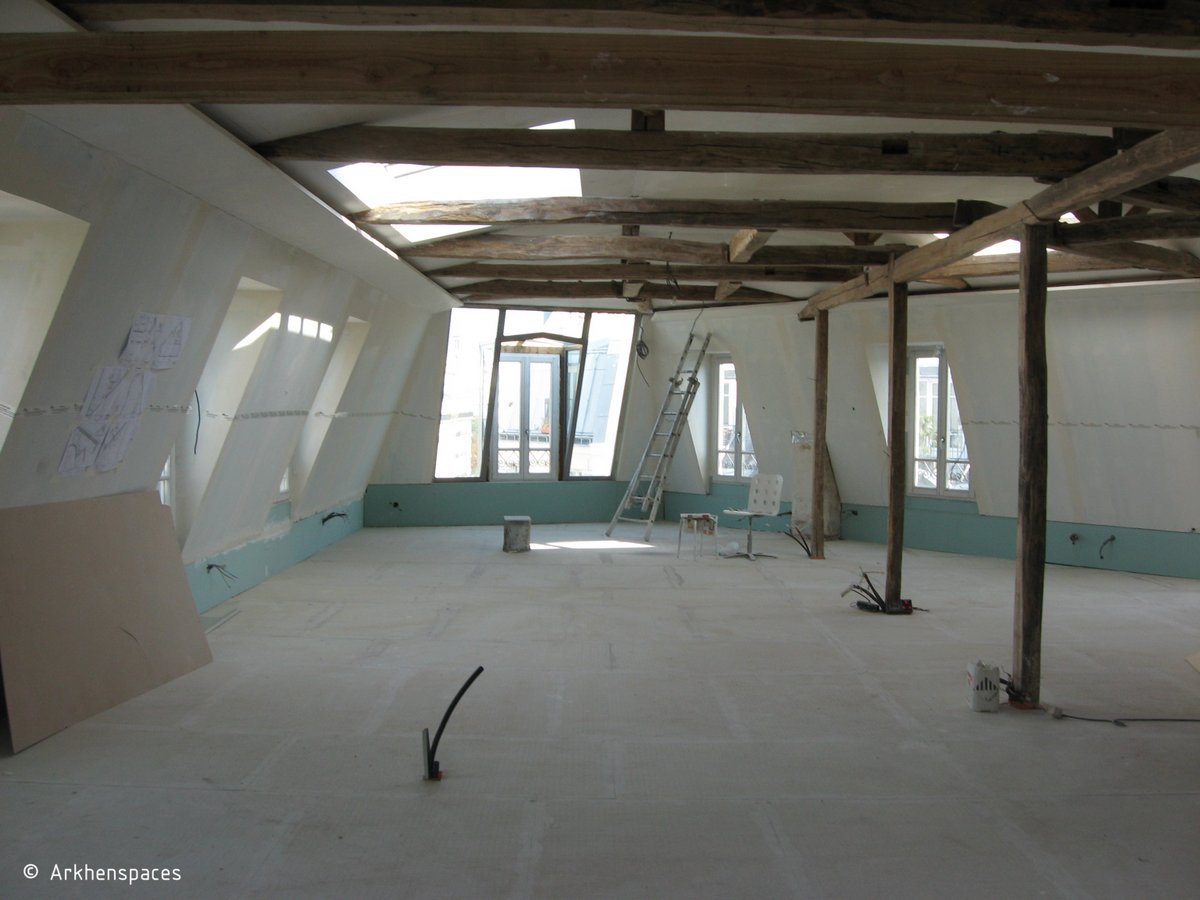
- Restoration of the timber structure, roofing, plumbing and electrical systems, installation of air conditioning and elevator.
- Reconfiguration of interior spaces: common areas, offices and residential apartments.
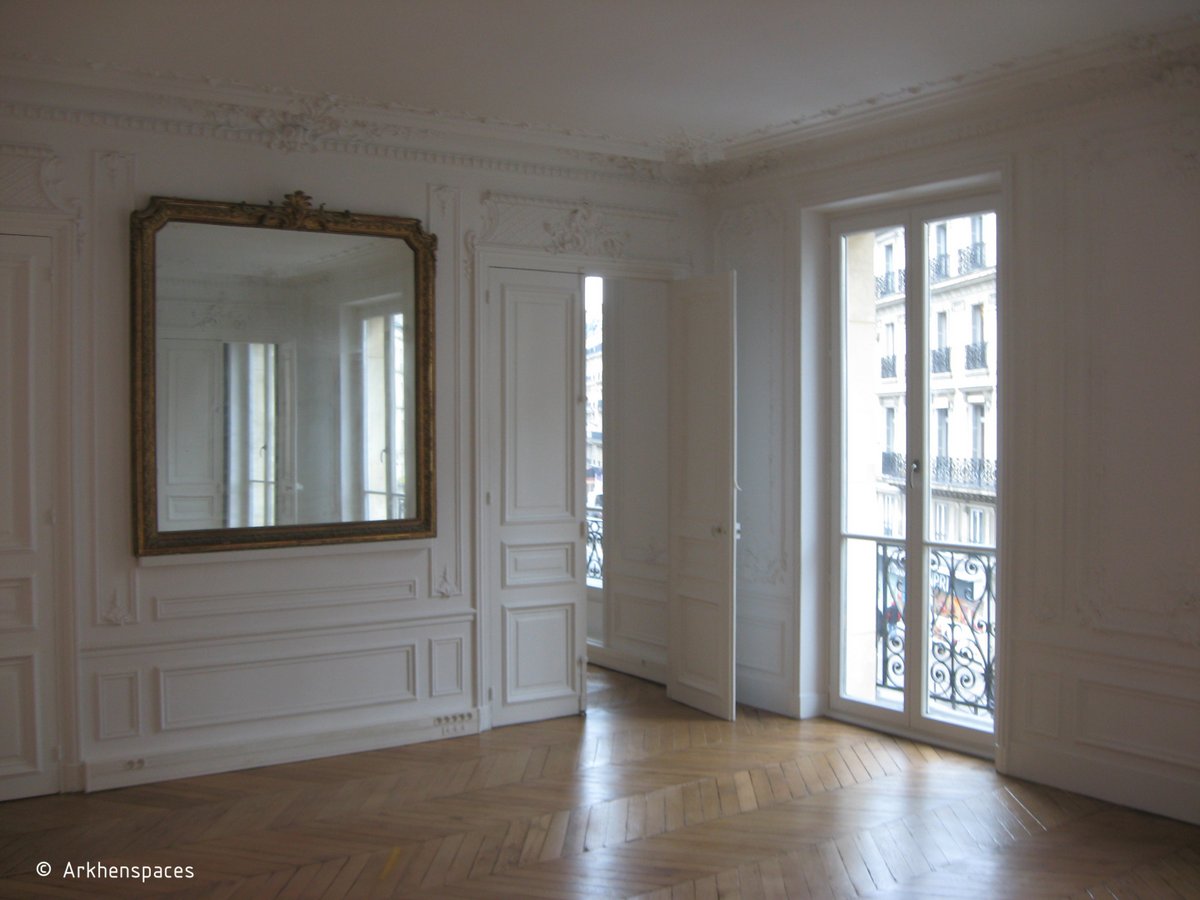
The sixth-floor apartment unfolds as a large luminous and flexible space. The living room, kitchen, bedroom and bathroom follow one another within a vast open volume, yet they can also be separated thanks to sliding partitions discreetly concealed within storage spaces hidden behind a large bookshelf.
Depending on the desired atmosphere, these partitions can transform the apartment into either a single light-filled living space or three distinct rooms offering intimacy and comfort.
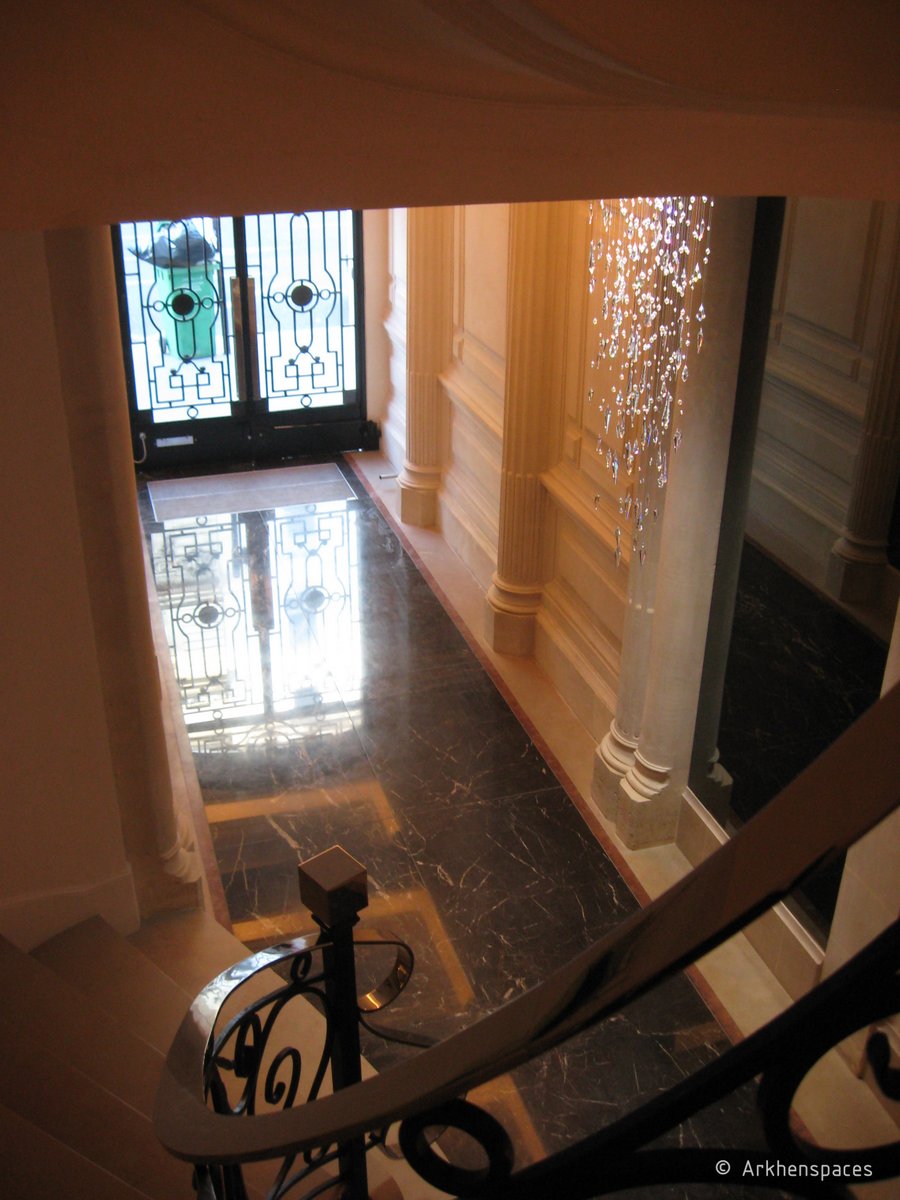
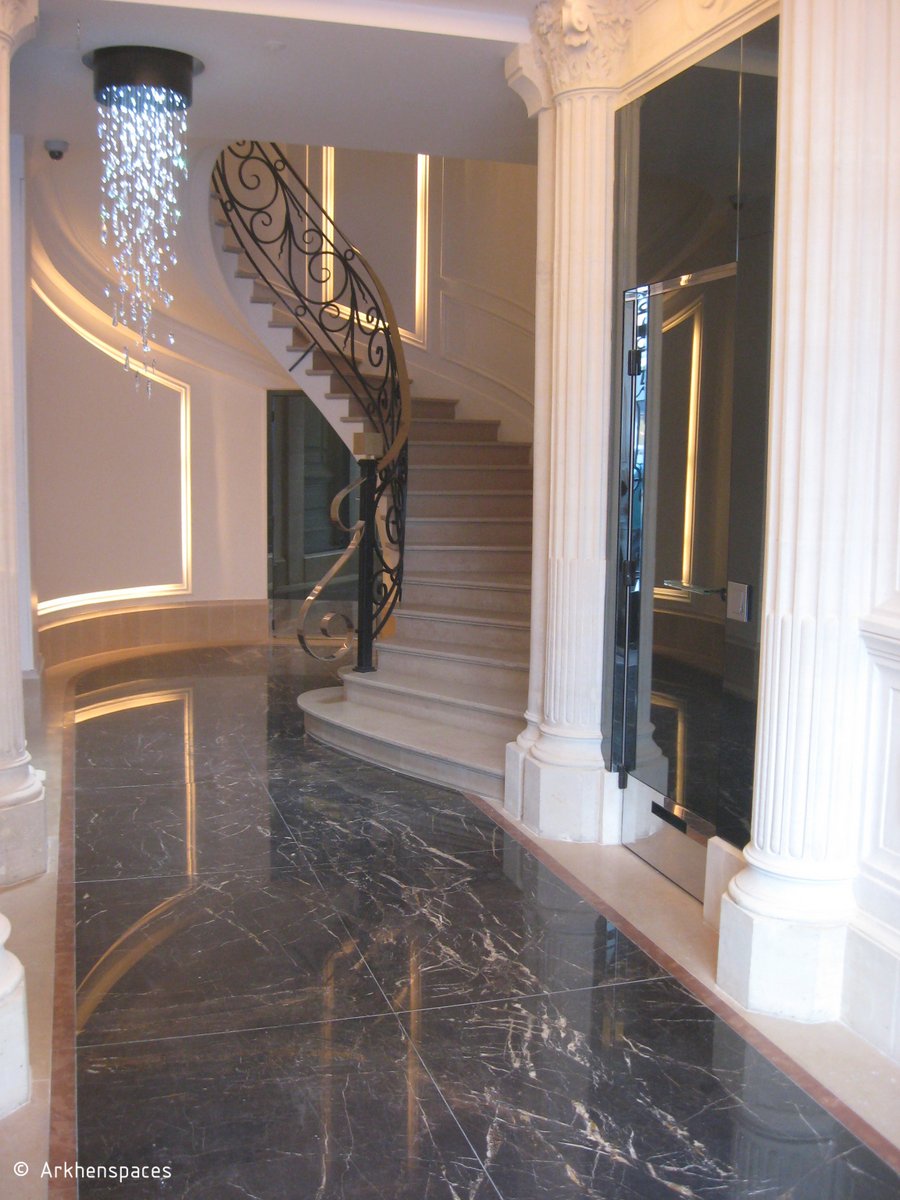
The entrance hall was entirely redesigned in a spirit of refinement faithful to the history of the place. The stone walls were restored and adorned with sculptures recreated identically, while an “open-book” marble floor elegantly covers the ground.
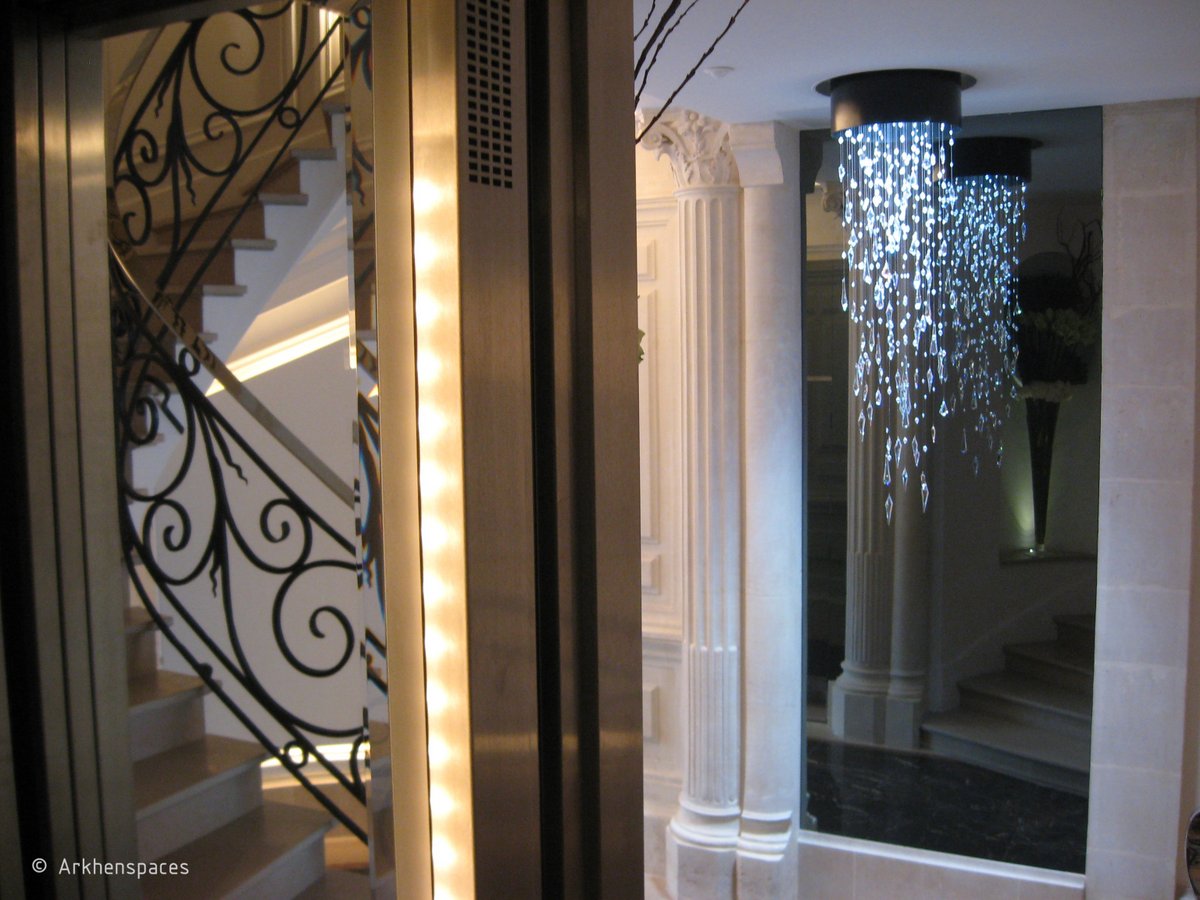
The Comblanchien stone staircase was completely restored and enhanced by a balustrade whose polished mirror stainless-steel handrail captures light and interacts with reflections. Mirrors, wall lighting, ceiling fixtures and chandeliers compose a sophisticated atmosphere where light becomes material.
The entrance door was designed from an 1881 ironwork catalogue in an attempt to reconnect with the inventive spirit of the period. The project ultimately evolved toward a more classical version, affirming a traditional elegance, although a more original interpretation could also have found its place.
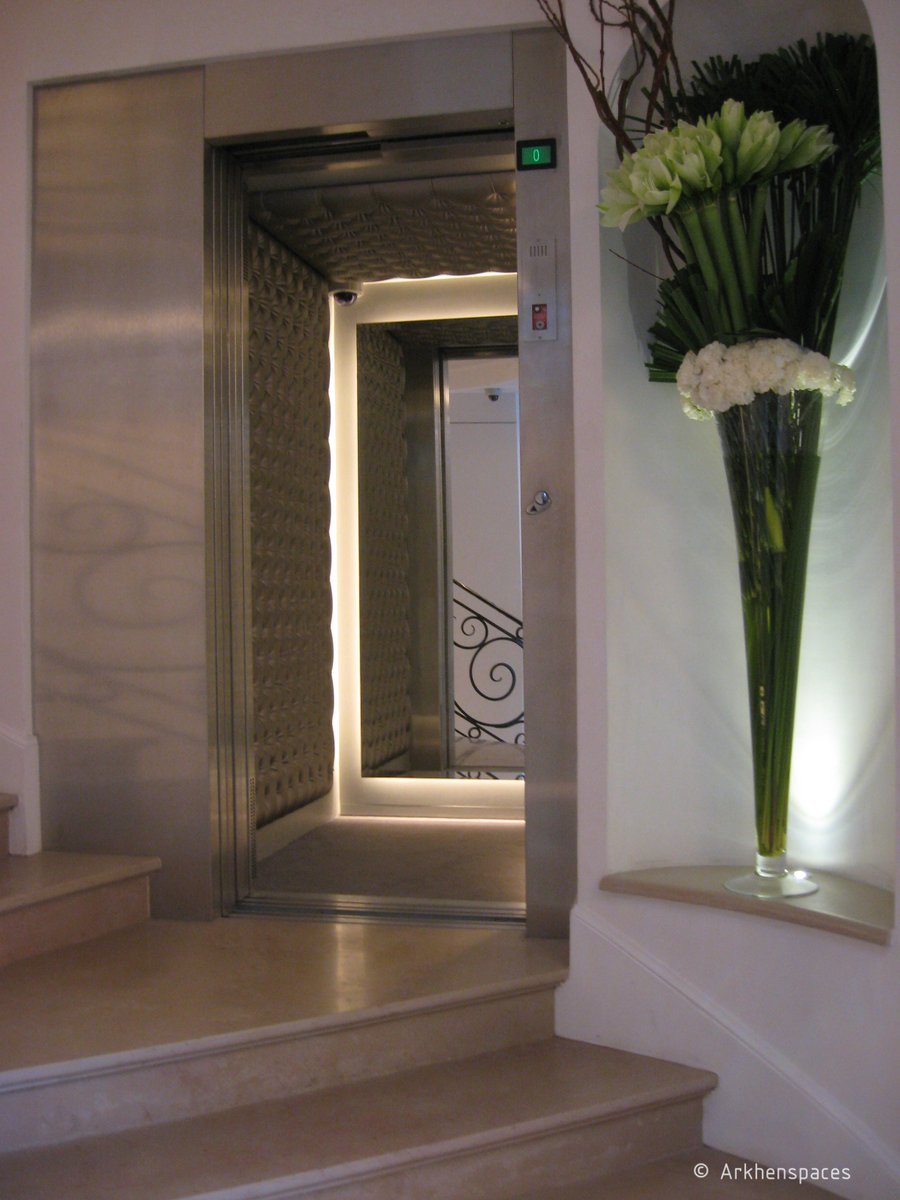
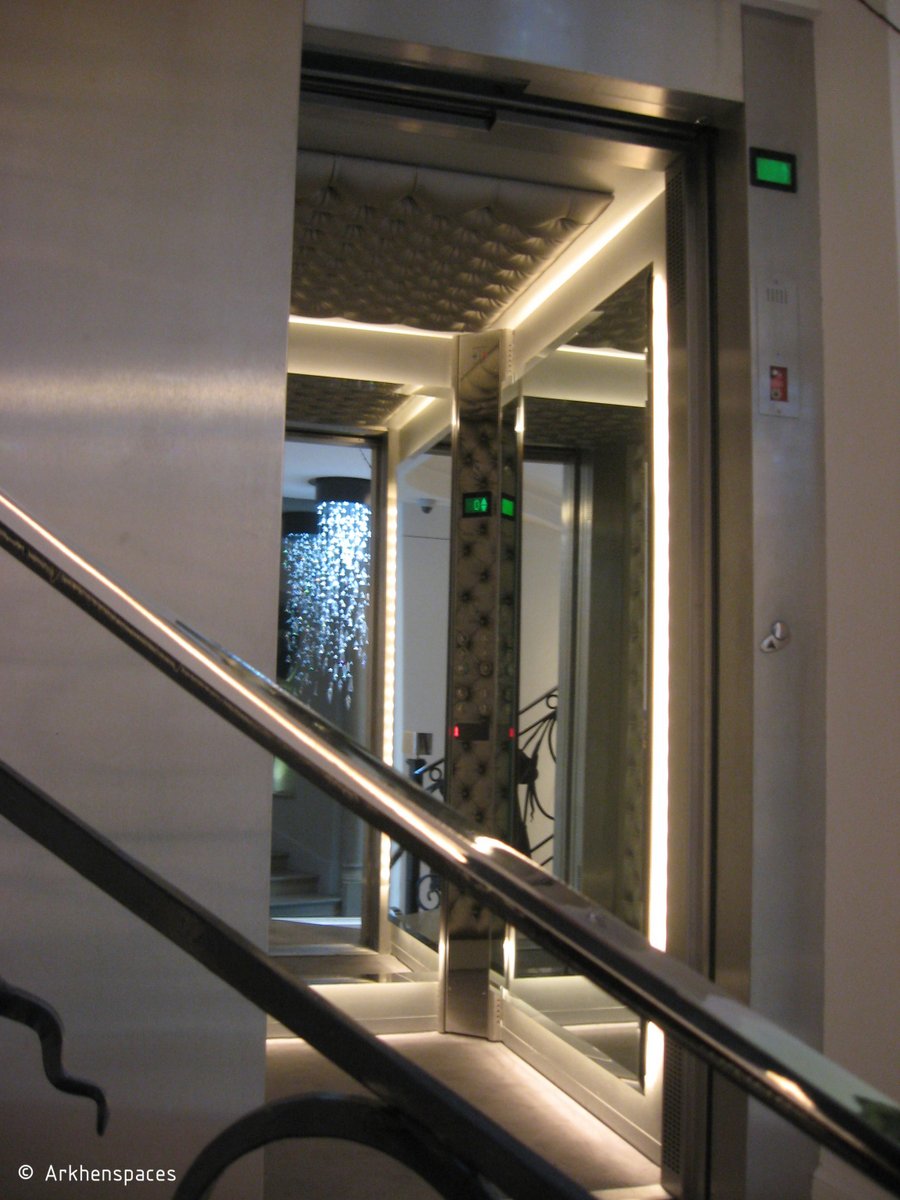
Finally, the elevator extends this exploration of subtle contrasts between materials and perceptions. Mirrors visually expand the space while quilted upholstery softens the acoustics and creates a muted atmosphere. Refined work on lighting completes the ensemble in continuity with the luminous effects developed within the staircase.
Every building deserves to be a monument.